

Table of Contents
Everything You Need to Know Before Booking The inca Trail to Machu Picchu
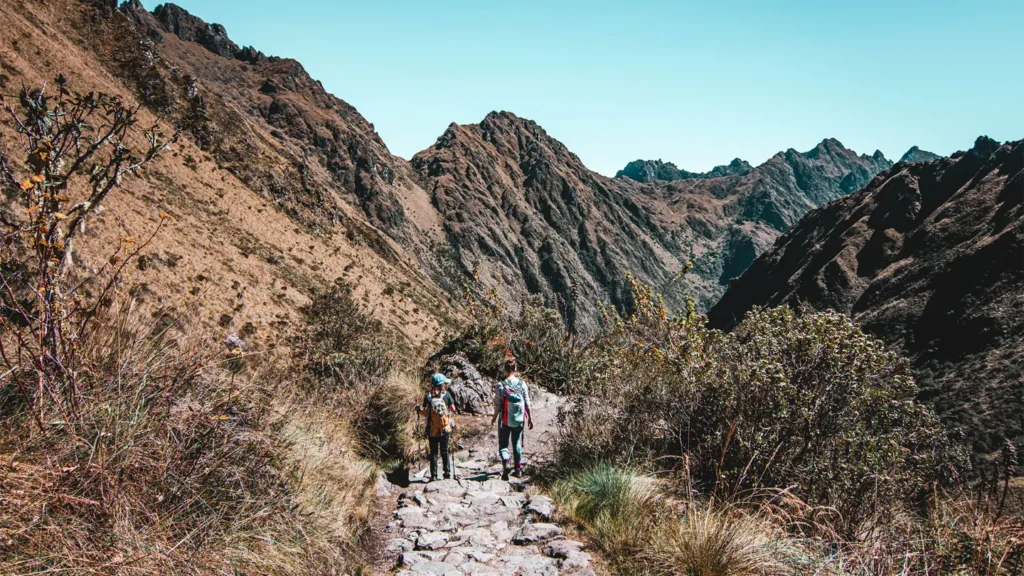
Hiking the Inca Trail to Machu Picchu is one of the most iconic travel experiences in the world. This legendary route blends breathtaking Andean landscapes, ancient stone pathways, and hidden archaeological sites tucked between towering mountains and lush cloud forests. It’s not just a trek—it’s a meaningful journey through the history, spirituality, and engineering genius of the ancient Inca Empire.
However, due to strict regulations enforced by the Peruvian government and the very limited number of daily permits, planning ahead is absolutely essential—especially if you’re considering the Inca Trail in 2026, a season that is already showing high global demand.
This guide is designed specifically for international travelers looking for clear, reliable, and up-to-date information before booking. As a locally based agency with first-hand experience on the trail, we’ll walk you through everything you need to know to secure your permit, choose the right Inca Trail route, and prepare properly for this once-in-a-lifetime adventure.
What Is the Inca Trail?
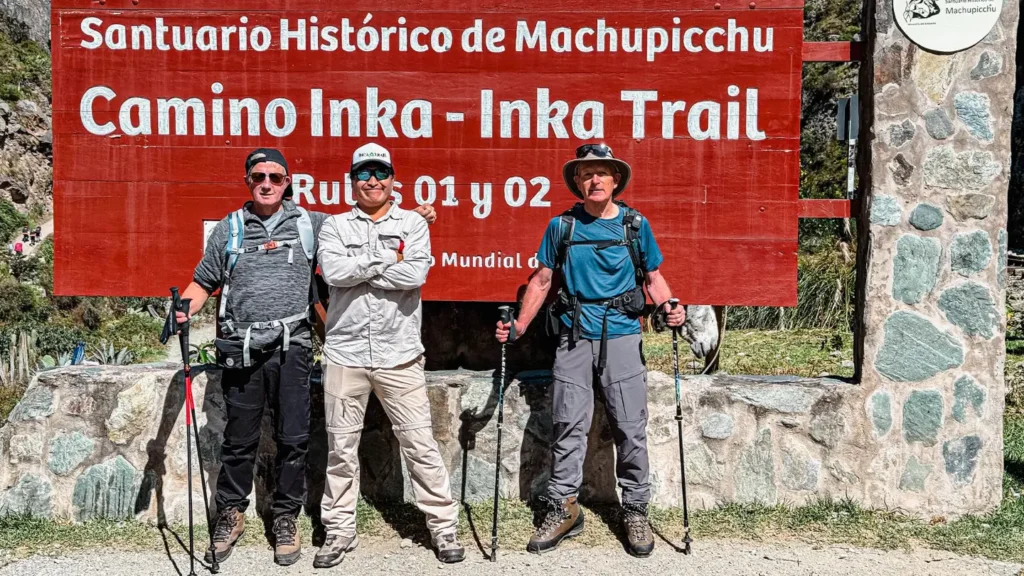
The Inca Trail is part of an extraordinary ancestral road system known as the Qhapaq Ñan, built by the Incas over 500 years ago to navigate the challenging geography of the Andes. This vast network connected high mountains, deep valleys, cloud forests, and diverse ecosystems, playing a vital role in the political, economic, and ceremonial life of the empire.
It’s estimated that the Qhapaq Ñan stretched over 70,000 kilometers across South America. Within the Historic Sanctuary of Machu Picchu, a protected area covering more than 37,000 hectares, archaeologists have identified approximately 800 kilometers of original Inca roads. Today, only a small, carefully preserved section of this network is open to travelers.
Walking the Inca Trail means following the same sacred paths once used by Inca messengers, pilgrims, and nobles, culminating in a dramatic arrival at Machu Picchu through the Sun Gate (Inti Punku), just as the Incas did centuries ago.
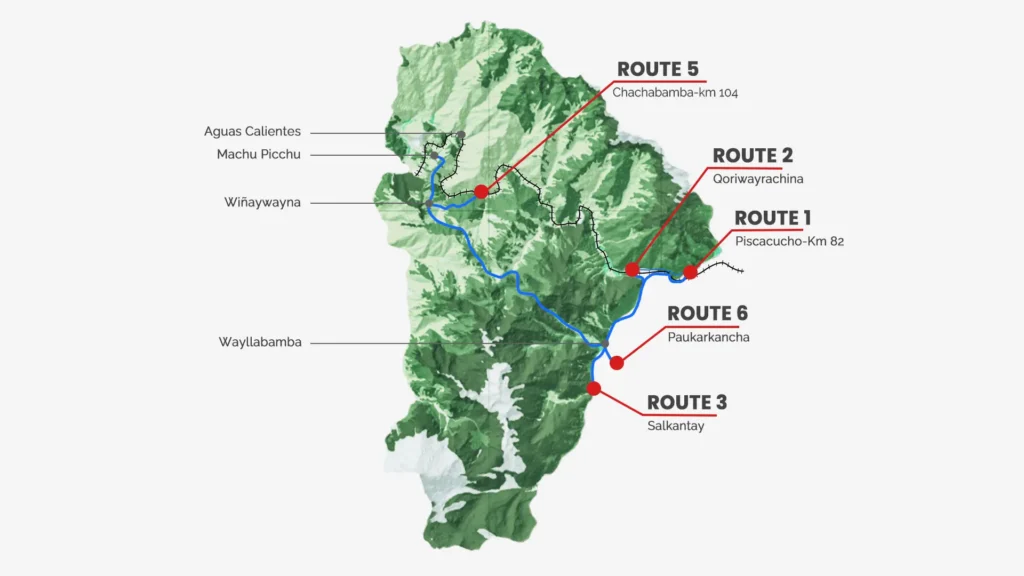
Complete Inca Trail Guide to Machu Picchu 2026: Official Routes and Access Points (Updated 2026)
The Inca Trail to Machu Picchu offers several official trekking routes, each designed to suit different travel styles, timeframes, fitness levels, and adventure goals. Choosing the right route will greatly shape your experience when hiking the Inca Trail in 2026.
Below, you’ll find a clear breakdown of the official Inca Trail routes, helping you decide which option best matches your expectations and travel plans.
Route 1: Km 82 – Classic Inca Trail (4 Days / 3 Nights)
This is the most iconic and popular Inca Trail route. Starting at Km 82, the trail follows original Inca pathways through archaeological sites, cloud forests, and high mountain passes. The journey ends with a ceremonial arrival at Machu Picchu through the Sun Gate (Inti Punku), one of the most unforgettable moments of the trek.
Best for: Travelers seeking the classic, full Inca Trail experience and a deep connection with Andean history and landscapes.
Route 2: Extended Classic Inca Trail (5 Days / 4 Nights)
This variation follows much of the traditional Inca Trail but at a slower, more relaxed pace. It uses alternative campsites away from the busiest areas, allowing for additional exploration and a quieter trekking experience.
Recommended for: Travelers who want fewer crowds, more comfort, and deeper immersion along the Classic Inca Trail.
Route 3: Inca Trail + Salkantay Trek (6–7 Days)
A high-altitude, physically demanding route designed for experienced hikers. This option combines the legendary Salkantay Trek, reaching elevations close to 5,000 meters (16,400 ft), with selected sections of the Classic Inca Trail. Expect dramatic mountain scenery, glaciers, and challenging terrain.
Ideal for: Seasoned adventurers looking for a serious challenge and epic Andean landscapes.
Route 4: Valley Floor Route (Not Operational)
This route is currently closed for safety reasons due to frequent landslides and unstable geological conditions. It will not be available during the 2026 Inca Trail season.
Route 5: Chachabamba – Short Inca Trail (1–2 Days)
The best alternative for travelers with limited time. This route begins with a scenic train ride to Km 104, where the hike starts. Along the way, you’ll visit important Inca archaeological sites before entering Machu Picchu through the Sun Gate (Inti Punku)—preserving the essence of the Inca Trail in a shorter format.
Perfect for: Travelers who want to experience the Inca Trail and Machu Picchu without committing to a multi-day trek.
Route 6: Inca Trail + Ancascocha Trek (6–7 Days)
One of the most remote and least crowded Inca Trail routes. This trek crosses high mountain passes, showcases breathtaking landscapes, and visits isolated Andean communities, offering a rich cultural experience before connecting to Machu Picchu.
Recommended for: Adventurers seeking an authentic, off-the-beaten-path Inca Trail experience with cultural depth and physical challenge.
Why You Should Book the Inca Trail in Advance for 2026
The Inca Trail to Machu Picchu is one of the most sought-after trekking routes in the world, and also one of the most strictly regulated. To protect this invaluable historical and cultural heritage, the Peruvian government limits access to just 500 permits per day, a number that includes not only hikers, but also licensed guides, porters, and support staff.
This regulation applies to all official Inca Trail routes (Routes 1, 3, 5, and 6). In practical terms, this means that only about 200 permits per day are available for travelers on the Classic Inca Trail, making availability extremely limited.
For the Short Inca Trail (1-day and 2-day options, Route 5), approximately 250 permits are issued daily. Of these, around 70% are allocated to travelers, while the remaining permits are reserved for operational staff. Even with this higher allocation, spaces sell out quickly.
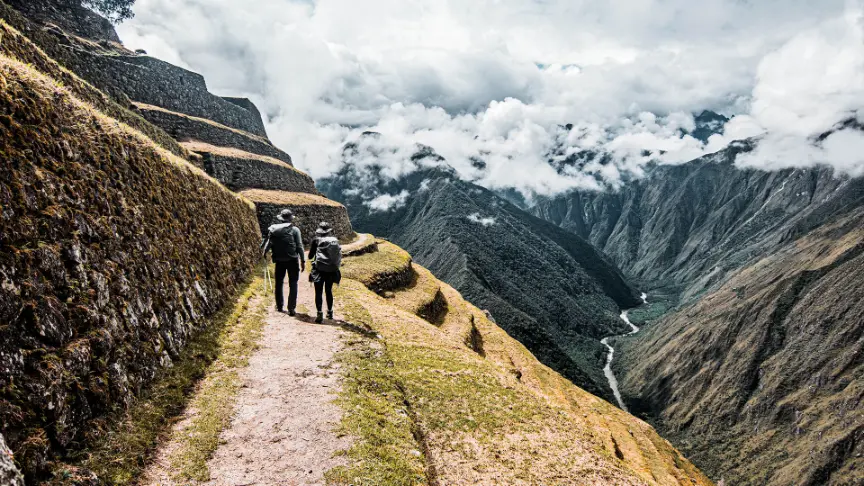
During high season (April through October), demand far exceeds supply, and Inca Trail permits often sell out several months in advance.
Booking your Inca Trail to Machu Picchu well in advance allows you to:
- Secure your preferred travel dates
- Choose the Inca Trail route that best fits your schedule and physical level
- Access better service options and availability
- Avoid last-minute stress or disappointment
If you’re planning to hike the Inca Trail in 2026, booking early is not just recommended it’s the smartest way to guarantee your place on this legendary journey to Machu Picchu.recomendación, sino la mejor estrategia para garantizar tu experiencia en esta legendaria caminata.
Types of Service on the Inca Trail to Machu Picchu 2026
All companies operating the Inca Trail to Machu Picchu are officially licensed and authorized by the Peruvian government. These certified tour operators must meet strict standards of safety, quality, sustainability, and porter welfare, ensuring a responsible and well-organized trekking experience.
Today, travelers can choose from different Inca Trail service levels, each designed to match varying expectations of comfort, group size, and personalization. Selecting the right service is essential for fully enjoying the Inca Trail to Machu Picchu 2026, as it directly affects your experience on the trail, the campsites, and the level of individual attention you receive.
Standard Service – The Classic Inca Trail Experience
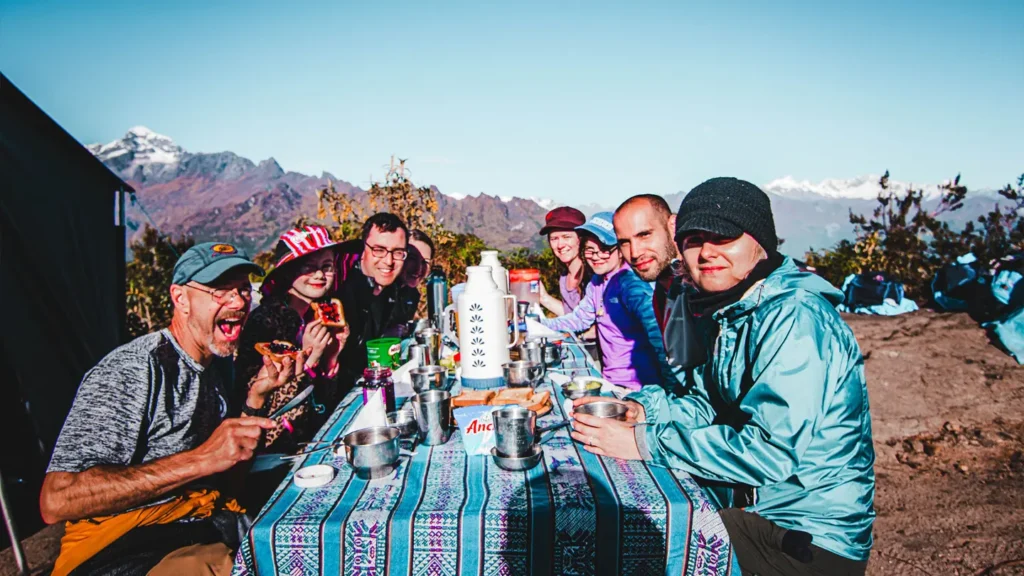
The Standard Service is the most popular option among travelers looking for an authentic, well-structured Inca Trail adventure at a balanced cost.
Key features:
- Groups of up to 16 hikers
- Basic camping equipment included
- All meals provided during the trek
- Porters to carry shared equipment
This option is ideal for travelers who enjoy meeting people from around the world, sharing the journey as a group, and experiencing the Inca Trail in its most traditional form—without sacrificing organization or safety.
Premium Service – Enhanced Comfort & Personalized Attention
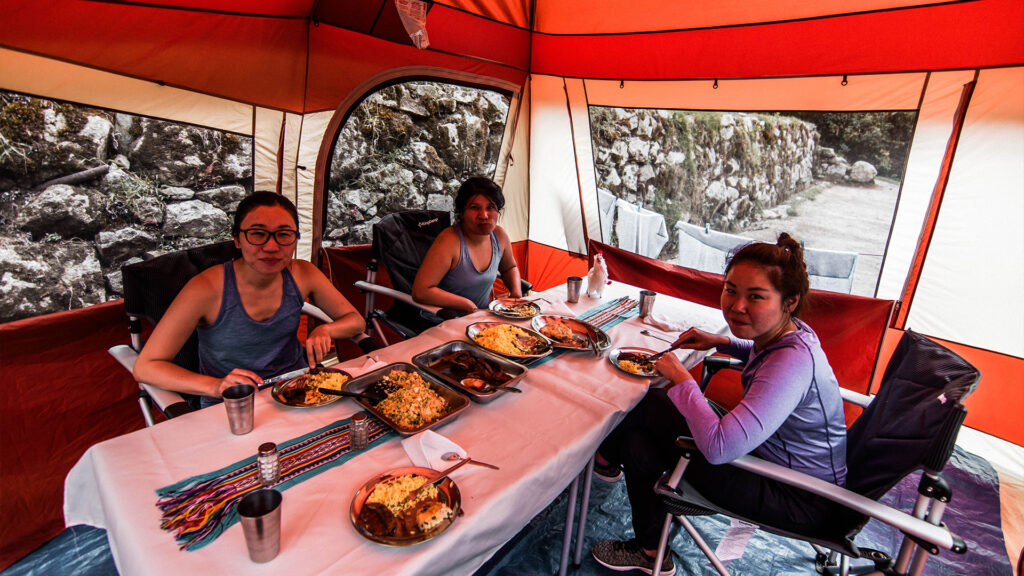
The Premium Service is designed for travelers who want extra comfort and a more personalized experience, without going to the extreme luxury level.
Key features:
- Smaller group sizes
- Upgraded camping equipment
- Improved meals, including special dietary options
- Greater personal attention from guides and support staff
Thanks to reduced group sizes, this service offers a more flexible hiking pace, deeper interaction with your guide, and a noticeably more comfortable experience throughout the trek.
Luxury Service – High-End Inca Trail Experience
The Luxury Inca Trail Service is perfect for travelers seeking maximum comfort while trekking through one of the most iconic landscapes in the world.
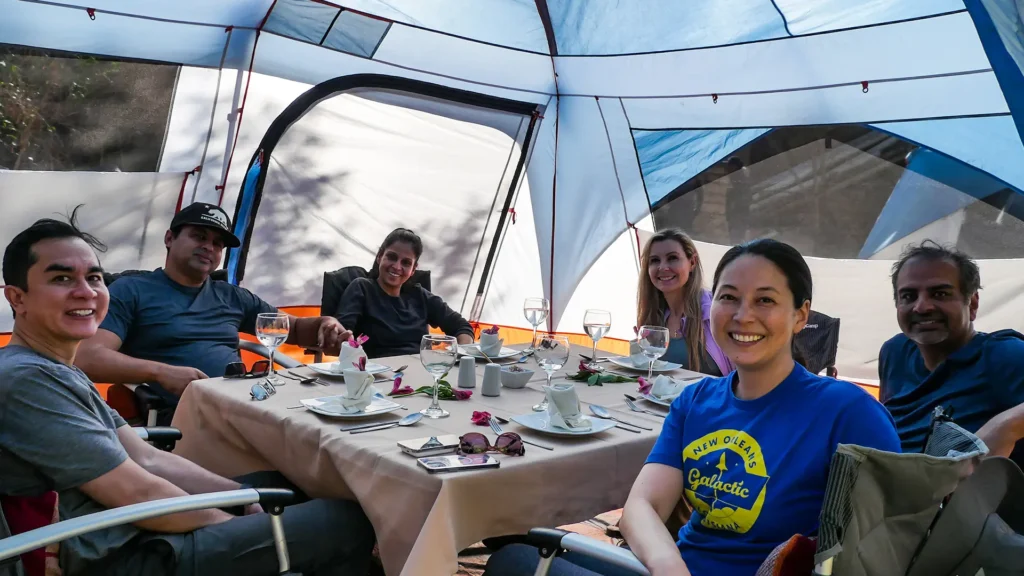
Key features:
- Spacious private tents
- Beds, thick mattresses, sheets, and blankets
- Portable hot showers
- Professional massage service during the trek
- Fully private service
- Gourmet cuisine prepared by a professional chef
- Premium train service, such as the Vistadome Observatory
This option transforms the Inca Trail into a luxury adventure, blending breathtaking Andean scenery with exceptional comfort and personalized service, ideal for honeymooners, VIP travelers, or those celebrating a special occasion.
Best Time to Hike the Inca Trail to Machu Picchu 2026
Choosing the right time to hike the Inca Trail to Machu Picchu is essential for enjoying the journey to its fullest. Weather conditions, visitor numbers, and permit availability vary throughout the year, so planning ahead will make a significant difference in your overall experience.
Dry Season (April to October)
This is the most recommended time to hike the Inca Trail. During these months, the weather is generally stable, rainfall is minimal, and travelers enjoy clear views of the Andes Mountains and Inca archaeological sites. Trail conditions are usually at their best, making the trek safer and more comfortable.
High Season (May to September)
High season overlaps with the dry season and is when the Inca Trail 2026 experiences the highest demand. Permits sell out quickly, often months in advance, so early booking is absolutely essential, especially for travelers with fixed dates.
Rainy Season (November to March)
During the rainy months, the landscape becomes lush and vibrant green, and there are fewer hikers on the trail, creating a more peaceful experience. However, rain showers can be frequent, and cloud cover may limit visibility at certain viewpoints.
February – Annual Closure
The Inca Trail is closed every February for maintenance and conservation work. This annual closure helps preserve the original stone paths and ensures the trail remains protected for future generations.
How to Book the Inca Trail to Machu Picchu: Step-by-Step Guide
Due to the limited number of daily permits, booking the Inca Trail requires careful planning. Follow these essential steps to secure your spot for the Inca Trail 2026:
1. Choose an Authorized Tour Operator
Only officially licensed tour operators approved by the Peruvian government are allowed to manage Inca Trail permits. Booking with an authorized agency ensures safety, compliance with regulations, and a well-organized experience.
2. Check Availability Early
For the Inca Trail 2026, it’s highly recommended to check availability 5 to 6 months in advance, especially if you plan to travel during peak season.
3. Submit Passport Information
Inca Trail permits are issued using your exact passport details. All information must match perfectly, name, passport number, nationality, and date of birth—as changes are not allowed once the permit is issued.
4. Make the Deposit or Payment
Most tour operators require an initial deposit to confirm your booking. Please note that Inca Trail permits are non-transferable and non-refundable, so it’s important to confirm your travel plans before making payment.
5. Attend the Pre-Trek Briefing
One day before the hike, you’ll attend a pre-departure briefing where your guide explains the itinerary, safety guidelines, packing recommendations, and important logistics for the trek.
Are There Discounts for Children and Students on the Inca Trail 2026?
Yes. The Inca Trail to Machu Picchu 2026 offers official discounts for children and students, regulated by the Peruvian government. These discounts are valid only if travelers strictly meet all official requirements at the time of booking and again when entering the Inca Trail.
It’s important to note that while the entrance ticket discount is set by the government, the final discount applied to a tour package may vary depending on each authorized tour operator. This is because the Inca Trail involves complex logistics, including permits, guides, porters, transportation, and meals, which are not subsidized.
Below is a clear breakdown of the current discounts for the Inca Trail and Machu Picchu:
Children Under 3 Years Old
- Free entrance to both the Inca Trail and Machu Picchu
- Must be accompanied by a parent or legal guardian
- A valid passport or ID is required
Children and Teenagers Under 17 Years Old
- The age considered is the age on the day of the visit, not the age at the time of booking
- Eligible for an approximate 50% discount on the official entrance ticket to the Inca Trail and Machu Picchu
- Must present a valid passport or national ID
Student Discount – Inca Trail & Machu Picchu 2026
Students may qualify for an approximate 50% discount on the official entrance ticket to the Inca Trail and Machu Picchu, provided they meet all government requirements.
Important: The student discount applies only to the entrance ticket. It does not necessarily reduce the total tour price, as services such as guides, transportation, porters, camping equipment, and meals are not discounted by the government.
Requirements for International Students – Inca Trail 2026
International students wishing to receive the official student discount for the Inca Trail to Machu Picchu 2026 must strictly comply with the regulations established by the Peruvian authorities. Documentation is verified before entering the Inca Trail, so correct paperwork is essential.
To qualify, students must provide:
- An original physical student ID card issued directly by a recognized university or educational institute
- The card must be made of PVC (hard plastic), similar to a credit card
- Digital student cards, certificates, enrollment letters, or ISIC cards are NOT accepted, even if valid
- The student must be under 25 years old at the time of the Inca Trail visit
The student ID must clearly display:
- Full first and last name
- Name of the educational institution
- A clear, recent photograph
- A visible expiration date
Additionally, the student ID must be in good physical condition and valid during the year of travel. Damaged, expired, or illegible cards will be rejected by authorities.
Failure to meet these requirements will result in the traveler being required to pay the full adult price before starting the Inca Trail.
Inca trail 2 days vs 4 days : Which Is the Best Option for 2026?
When planning your Inca Trail to Machu Picchu 2026 adventure, one of the most common questions travelers ask is whether to choose the Classic Inca Trail (4 days) or the Short Inca Trail (1–2 days). Both routes lead to the legendary Machu Picchu, but each one is designed for a different travel style, physical level, and time availability.
Below, we break down the key differences to help you choose the option that best fits your expectations.
Classic Inca Trail – 4 Days / 3 Nights
The Classic Inca Trail is the most iconic and complete trekking route to Machu Picchu. Covering approximately 43 kilometers (26.7 miles) starting at Km 82, this trek is completed over four days and follows ancient Inca pathways, culminating in a spectacular entrance to Machu Picchu through the Sun Gate (Inti Punku) at sunrise.
Throughout the journey, travelers camp at designated sites along the trail. All camping equipment, meals, and logistics are organized by officially licensed tour operators, with the support of experienced porters who carry the necessary gear.
Along the way, you’ll pass through diverse ecological zones, from high Andean landscapes to lush cloud forests, while exploring exclusive archaeological sites only accessible to Inca Trail hikers. This option offers a deep cultural immersion and a strong sense of achievement.
Recommended for:
- Those seeking a fully immersive Inca Trail experience
- Travelers with good physical fitness
- Trekking and nature enthusiasts
Short Inca Trail – 1 or 2 Days
The Short Inca Trail is an excellent alternative for travelers with limited time or those who prefer a less demanding hike without camping. The trek officially starts at Km 104, a section of the Classic Inca Trail connected via the Sacred Valley, and covers approximately 12 kilometers (7.5 miles).
Most of the journey to the trailhead is done by train, significantly reducing physical effort. After several hours of hiking, the trail merges with the Classic Inca Trail shortly before reaching the Sun Gate, allowing hikers to enjoy the traditional entrance to Machu Picchu on foot.
This option preserves the spirit of the Inca Trail experience, ancient paths, archaeological sites, and dramatic scenery, while offering greater comfort and flexibility.
Recommended for:
- Families or travelers seeking a lighter adventure
- Travelers with limited time
- Those who prefer not to camp
Inca Trail to Machu Picchu 2026: Difficulty Level Explained
The Classic Inca Trail to Machu Picchu is considered a moderate to challenging trek, best suited for travelers with good physical conditioning and an adventurous mindset. Along the route, hikers face a cumulative elevation gain of over 1,500 meters (4,900 feet), reaching the highest point of the trail at the iconic Warmiwañusca Pass, also known as Dead Woman’s Pass, located at 4,215 meters (13,828 feet) above sea level.
This section of the trail includes uneven stone staircases, long uphill climbs, and steep descents into deep Andean valleys, demanding endurance, balance, and prior preparation. However, the physical effort is richly rewarded with breathtaking mountain landscapes, remarkable Inca archaeological sites, and a deep cultural connection, making the Classic Inca Trail a once-in-a-lifetime experience.
For travelers seeking a less demanding option, the Short Inca Trail offers a more accessible alternative. Designed for those with limited time or who prefer a lighter hike, this route does not require advanced trekking experience. That said, being in good general physical condition is still important to fully enjoy the journey.
The Short Inca Trail covers approximately 12 kilometers (7.5 miles), with an elevation gain of around 550 meters (1,800 feet). Its highest point is the Sun Gate (Inti Punku) at 2,720 meters (8,924 feet), where hikers are rewarded with their first panoramic view of Machu Picchu.
Regardless of which route you choose, proper acclimatization is essential. Spending a few days in Cusco or the Sacred Valley before starting your trek will help your body adapt to the altitude, improve physical performance, and significantly enhance your overall experience on the Inca Trail to Machu Picchu 2026.
How far in advance should I book the Inca Trail?
We strongly recommend booking the Inca Trail 5 to 6 months in advance, and up to 9 months ahead if you plan to travel during the high season (May to September).
The Inca Trail has very limited daily permits, and some campsites—such as the third-night camp at Wiñay Wayna, which allows only 17 groups per day—sell out quickly. Booking early secures your permit, better campsite allocation, and more date availability.
Can I change my Inca Trail date after the reservation is confirmed?
No. Inca Trail permits are non-transferable and non-modifiable because they are issued directly with your passport information.
If you wish to change your travel date, you must make a new reservation, and this is only possible if permits are still available for the new date.
Is it possible to hike the Inca Trail without a guide?
No. According to regulations set by the Peruvian Government and the Machu Picchu National Park, all travelers must access the Inca Trail exclusively through authorized tour operators and be accompanied by a certified professional guide.
This regulation is in place to ensure traveler safety and to protect the cultural and natural heritage of the Inca Trail.
Why is the Inca Trail 2026 relatively expensive?
The cost of the Inca Trail to Machu Picchu reflects its complex logistics and the comprehensive services included. The price typically covers:
– Official Inca Trail permits
– Machu Picchu entrance ticket
– Certified professional tour guide
– Support staff (porters and cooks)
– All meals during the trek
– Camping equipment (tents, dining tent, kitchen)
– Transportation, operational logistics, and government fees
Prices vary depending on the service level (standard, premium, or luxury) and the quality offered by each operator. For this reason, it is always recommended to book directly with an authorized tour operator and avoid intermediaries.